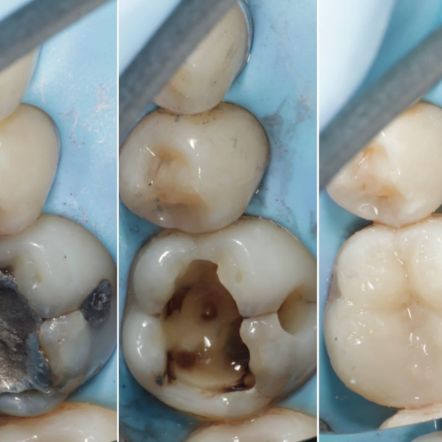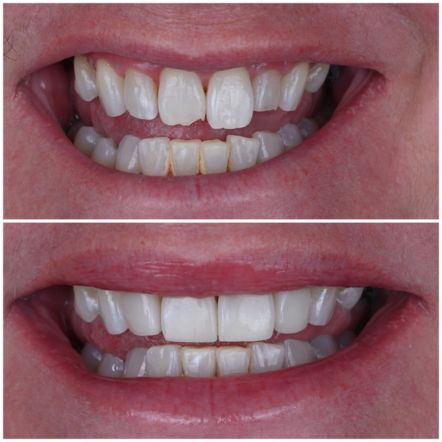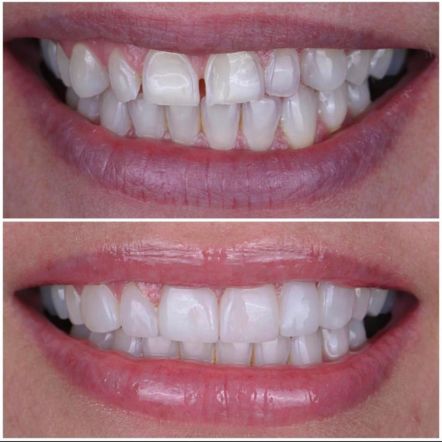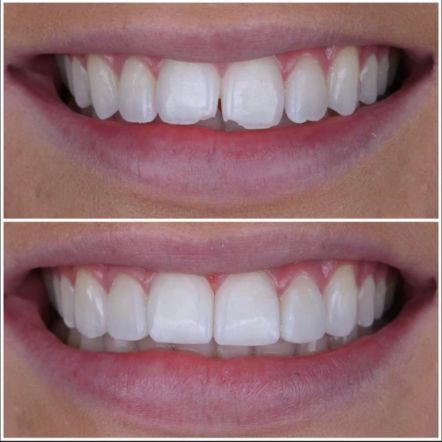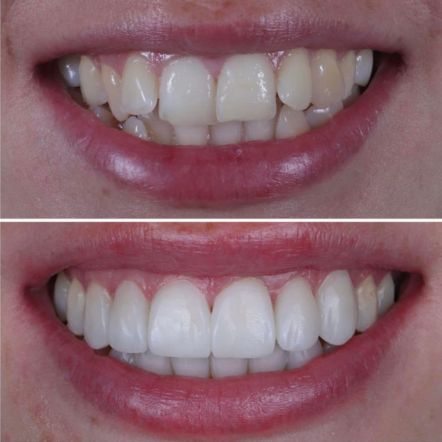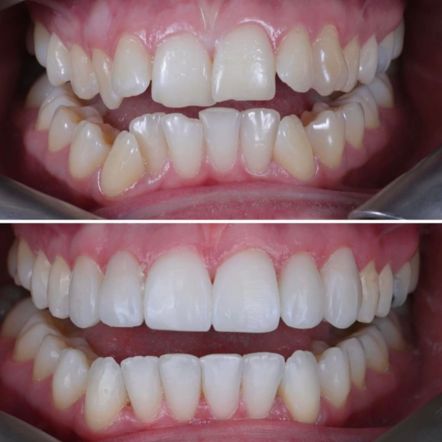




A tooth-coloured filling uses a composite or similar restorative material to repair decay, small fractures or worn areas while blending with the natural tooth colour.

It is a simple treatment that can be completed during a short appointment and performed with or without local anaesthetic. The decayed or affected portion of the tooth is removed and then filled with one of three materials:
Due to their natural appearance and strength, white composite fillings are becoming an increasingly popular choice with patients. They can be colour-matched, making them indistinguishable from natural teeth. Moreover, less tooth removal is required for the placement of resin composites.
Your dentist can help you decide which material is most suitable based on your health, preferences, and the type of cavity that needs to be repaired.
A tooth-coloured filling uses a composite or similar restorative material to repair decay, small fractures or worn areas while blending with the natural tooth colour.
A filling may be recommended to repair tooth decay, a small fracture, wear or other loss of tooth structure where the tooth can still be predictably restored.
It depends on the depth and location of the treatment and your sensitivity. Your dentist will discuss local anaesthetic if it is needed for comfort.
Longevity varies according to the size and position of the filling, bite forces, oral hygiene and the tooth itself. Fillings can eventually need repair or replacement.
Your dentist will advise you based on the material used and whether you have had local anaesthetic. If you are numb, avoid biting your lip, cheek or tongue until the sensation returns.
Yes, composite can be used on front teeth in suitable cases to restore damage or improve appearance. Your dentist will assess the tooth and recommend the most appropriate restoration.









 Instagram
Want to stay updated on our latest news, products, and events? Follow us on Instagram. Don't miss out on all the fun and exciting content we have in store for you!
FOLLOW US ON INSTAGRAM