It’s 11 pm, your tooth won’t stop throbbing, and you’re stuck deciding between “give it until morning” and “this feels like more than a normal toothache.” Or maybe your child’s just run in from the garden, front tooth chipped or knocked out completely, and you’ve got about thirty seconds to figure out what to do next. Sound familiar?
Here’s the genuinely reassuring part: most dental emergencies are far more manageable than they feel in the moment, as long as you know the right first steps. This guide walks you through exactly what counts as an emergency, what’s safe to do at home while you sort out an appointment, and when you should stop reading and call us directly.
Not every dental problem needs an urgent phone call — but some absolutely do. Here’s where the line sits:
If you’re reading this list and recognising your own situation, the sections below will help — but don’t let reading them delay a phone call if you need one.
A toothache that’s mild and comes and goes can usually wait for a routine appointment. What tips it into “call us today” territory is swelling, a fever, or pain that’s bad enough to keep you up at night — those are your body telling you something’s actively getting worse, not just uncomfortable.
While you’re waiting for your appointment, general over-the-counter pain relief, taken as directed on the packet, is usually the safest way to take the edge off. One myth worth clearing up: don’t place aspirin directly against the sore tooth or gum. It doesn’t numb anything — it can actually burn the gum tissue instead. If the pain is severe, worsening, or comes with swelling, book a same-day appointment rather than waiting for a routine slot.
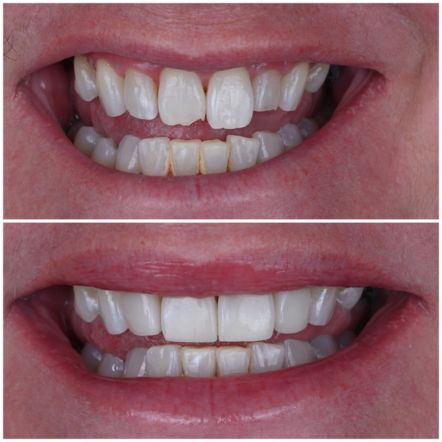
If you can find the broken piece, save it and bring it with you, just in case. Rinse your mouth gently with warm water, and avoid chewing on that side until you’ve been seen. It might not feel urgent if there’s no pain, but a crack is effectively an open door for bacteria — what starts as a small chip can turn into a bigger, or more painful, problem the longer it’s left.
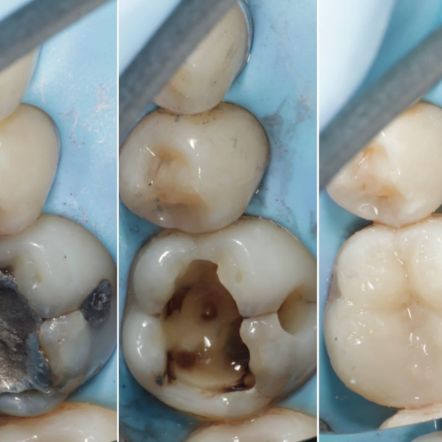
A missing filling or crown isn’t usually a middle-of-the-night emergency, but it isn’t something to shrug off for months either. In the meantime, steer clear of sticky or hard food on that side, and keep the area as clean as you comfortably can. The exposed tooth underneath is more vulnerable to sensitivity and further decay the longer it’s left uncovered, so it’s worth getting booked in sooner rather than later.
This is the one section in this guide we’d ask you to take most seriously. If swelling is spreading towards your eye or your neck, if you’ve got a fever, or if you’re having any difficulty swallowing or breathing, that’s no longer something a dentist can safely handle over the phone — please seek urgent medical care straight away, and go to A&E if it feels severe. We’d always rather you were overly cautious here than the other way round. Knowing when dentistry needs backup from wider medical care is part of taking your safety seriously, not a failure of the system.
While you’re getting hold of us, a few simple things can help keep you comfortable: a cold compress held against the outside of your cheek for swelling, avoiding very hot or cold food and drink, and keeping the area gently clean. None of this is about fixing the problem yourself — it’s just about getting through the next hour or two a little more comfortably. Please don’t feel you need to do more than that; call us rather than trying to manage it entirely on your own.
We keep same-day emergency slots open every day during our normal hours, for new and existing patients alike — so if you’re dealing with any of the above, call us on 01245 322 277, and we’ll see you as quickly as we can. It helps if you have your name, a quick description of what’s happened, and your symptoms ready when you call, but don’t worry if you’re too rattled to get it perfectly straight — our team will guide you through it and takes patient safety seriously at every step.
Outside of our normal opening hours, please contact the NHS Emergency 111 service, who can point you toward the right care until we’re open again.
If you’d like to see how we’ve handled emergencies for other patients before you call, our reviews are a good place to look. Otherwise, just get in touch — that’s genuinely what we’re here for.
BACK TO BLOG






If you have any further questions or would like to become a patient you can contact us.
Contact us




 Instagram
Want to stay updated on our latest news, products, and events? Follow us on Instagram. Don't miss out on all the fun and exciting content we have in store for you!
FOLLOW US ON INSTAGRAM