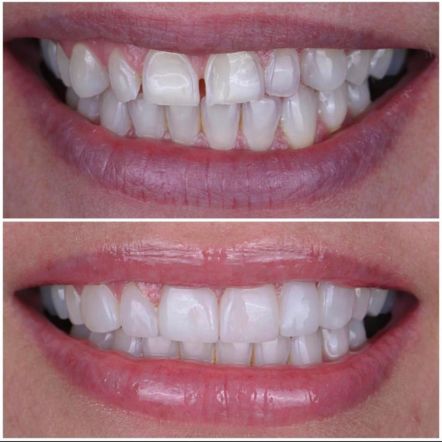
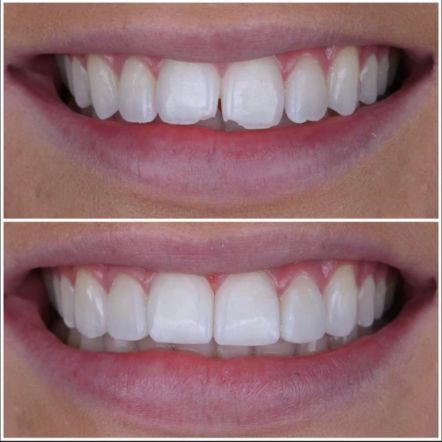
If you’ve started looking into Invisalign, you’ve probably already seen the same vague answer everywhere: “somewhere between six months and two years.” Helpful, right? The honest version is that most patients fall somewhere between 6 and 18 months, and where you land within that range comes down almost entirely to your own case — how crowded or gappy your teeth are, whether there’s a bite issue to correct, and, frankly, how consistently you wear your aligners. Rather than leave you with a vague range and a shrug, this guide walks through exactly what happens at each stage, so you know what a realistic timeline actually looks like for you.
As a rough guide: mild cases — a bit of crowding or a small gap — often wrap up in around 3 to 6 months. Moderate cases, which cover most patients, tend to run 6 to 12 months. More complex cases, involving bite correction alongside alignment, can take 12 to 18 months, occasionally longer.
Where you land within that isn’t random. It comes down to a handful of factors: how severe the crowding or gaps are to begin with, whether a bite issue like a crossbite or open bite needs correcting alongside straightening, and — the one factor that’s actually in your control — how consistently you wear your aligners day to day.
Free Consultation and Smile Assessment
It starts with a free consultation, where we take a proper look at your teeth and talk through what you’re hoping to change. We’ll take a digital scan of your mouth using an iTero scanner, which builds an accurate 3D model in minutes rather than relying on old-style impression trays. That scan becomes the starting point for everything that follows.
Custom Treatment Plan and Aligner Design
From that 3D scan, we map out exactly how your teeth need to move, stage by stage, to reach your final result. This is where your full set of aligners gets designed and manufactured — a process that typically takes a few weeks before your first aligners are ready to fit.
Wearing Your Aligners — Weekly or Fortnightly Changes
Once treatment starts, you’ll move onto a new aligner roughly every one to two weeks, each one nudging your teeth slightly further toward their final position. The catch — and it’s the single biggest factor in how long treatment actually takes — is that aligners need to be worn for around 22 hours a day. Out for meals and brushing, in for everything else. Patients who stick closely to that timing tend to finish on schedule; patients who don’t, generally don’t.
Progress Check-Ins With Your Dentist
You’ll come back in for review appointments roughly every 6 to 8 weeks, so we can check your teeth are moving as planned and make any small adjustments along the way. These check-ins are also your chance to flag anything that doesn’t feel right before it becomes a bigger issue.
Finishing Treatment and Moving to Retainers
Once your teeth have reached their final position, treatment isn’t quite over — you’ll move onto a retainer, whether that’s a Vivera-style or Essix-style option, worn to hold your teeth in place. Retention isn’t a box to tick once and forget; it’s a genuinely long-term commitment, because teeth can drift back out of position for years after active treatment ends if a retainer isn’t worn as advised.
A few things influence your personal timeline more than anything else:
Two people with almost identical starting smiles can finish months apart, purely based on the last two points.
Sometimes, yes — and it’s worth knowing why, rather than being caught off guard. The most common causes are missed wear time, a lost or damaged aligner that delays the next stage, or skipped review appointments that push your plan off track. None of this is unusual, and none of it means treatment has failed. If your timeline shifts, we simply adjust the plan and keep going — it’s a normal part of the process, not a setback.
As part of the MiSmile Network — the UK’s leading Invisalign provider — we’ve helped a large number of patients through this exact process, so we’ve got a good feel for what a realistic timeline looks like before we even start. Your free consultation is the best place to get a timeline specific to your own teeth, rather than a generic estimate; we’ll also talk you through flexible finance options if cost is part of your planning. If you’re local to Chelmsford or South Woodham Ferrers and thinking about Invisalign, that consultation costs you nothing to find out.
Ready to find out your own timeline? Get in touch to book your free consultation, or read what other patients have said in our reviews first if that helps.
Is Invisalign faster than braces?
It can be, especially for mild to moderate cases, though it depends on the individual case rather than being a blanket rule. Where Invisalign often has the edge is flexibility — aligners can be removed for eating and cleaning, which some patients find easier to stay consistent with than fixed braces.
What happens if I don’t wear my aligners for 22 hours a day?
Your teeth simply won’t move as planned, which pushes your overall timeline out — sometimes by weeks, sometimes by more. It’s the single most common reason treatment takes longer than the original estimate, and it’s also the one thing that’s fully within your control.
Do I need to wear a retainer forever after Invisalign?
Essentially, yes, if you want to keep your results. Teeth naturally drift over time, and a retainer — worn as advised, which usually eases off over time — is what keeps them exactly where your treatment moved them to.
BACK TO BLOG







If you have any further questions or would like to become a patient you can contact us.
Contact us




 Instagram
Want to stay updated on our latest news, products, and events? Follow us on Instagram. Don't miss out on all the fun and exciting content we have in store for you!
FOLLOW US ON INSTAGRAM