



Root canal treatment is a procedure used to treat a tooth when the pulp inside it becomes inflamed or infected. It involves removing the damaged tissue, cleaning and disinfecting the root canals and sealing the tooth.

Well, sit back and relax… It’s the solution, not the issue and will often solve the problems associated with agonising toothache or facial swelling.
If your tooth has been knocked out, heavily filled, cracked, or decayed, this may lead to pain, infection, or discolouration. If any of these symptoms occur, your tooth may require root canal treatment, also known as endodontic treatment or root canal therapy.
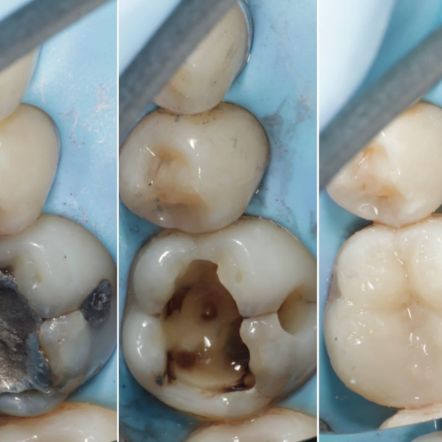
Root canal treatment is a highly specialised area of dentistry that typically involves multiple visits. As shown in the video below, the procedure involves removing and cleaning the infection inside the nerve of your tooth. On completion of your root canal treatment, a biologically compatible rubber material is sealed inside the root canal to prevent infection from re-entering. A filling, post, core, and crown are then bonded onto your tooth to strengthen it.
Around 85% of root canal treatments are successful. We use state-of-the-art electronic cleaning and measuring devices, which make your treatment much more comfortable, predictable, safer, and faster.
Root canal treatment is a procedure used to treat a tooth when the pulp inside it becomes inflamed or infected. It involves removing the damaged tissue, cleaning and disinfecting the root canals and sealing the tooth.
Root canal treatment may be recommended because of deep decay, dental trauma, cracks, repeated dental treatment or infection affecting the pulp of the tooth.
Treatment is normally carried out under local anaesthetic, so you should not feel pain during the procedure. The aim is to remove infection and preserve the natural tooth where possible.
Your dentist creates an opening into the tooth, removes the inflamed or infected pulp, cleans and disinfects the root canals and seals them. Some teeth require more than one appointment.
Some root-treated teeth, particularly heavily weakened back teeth, benefit from a crown or other protective restoration. Your dentist will advise based on the amount of healthy tooth structure remaining.
If an infected or inflamed tooth is left untreated, the problem may worsen and the tooth may eventually require extraction. Your dentist will discuss the options, benefits and risks.
The number and length of appointments depend on the tooth, the complexity of the canals and the level of infection. Your dentist will explain the expected treatment plan.









 Instagram
Want to stay updated on our latest news, products, and events? Follow us on Instagram. Don't miss out on all the fun and exciting content we have in store for you!
FOLLOW US ON INSTAGRAM