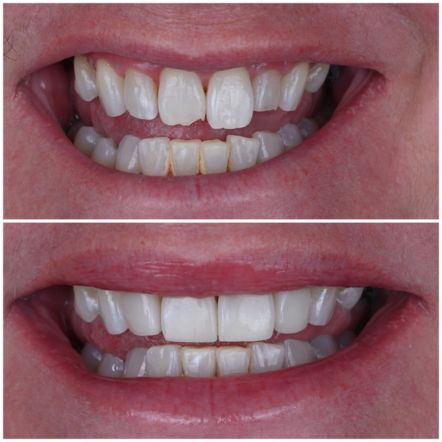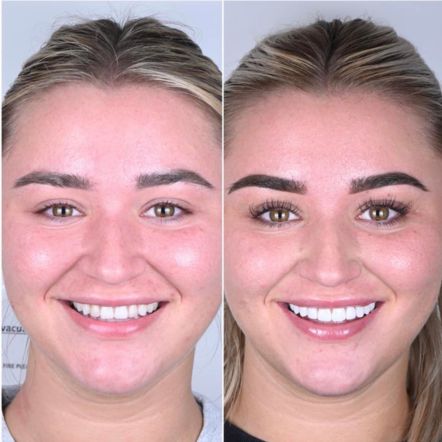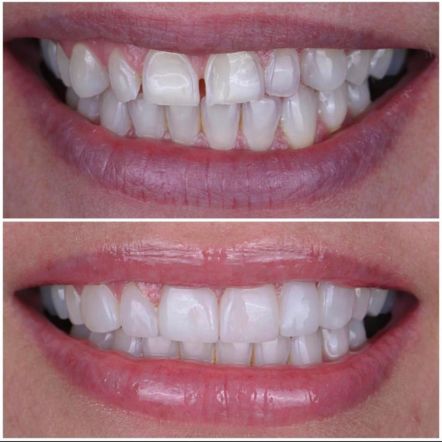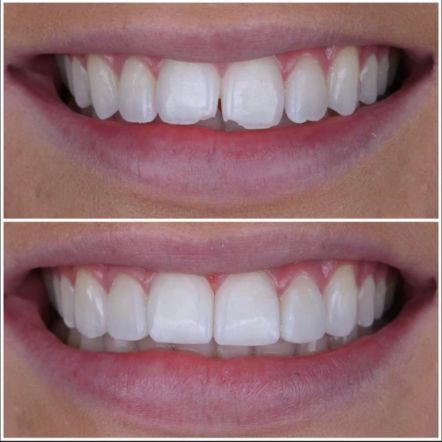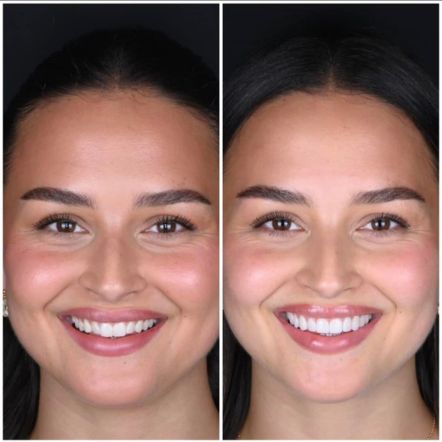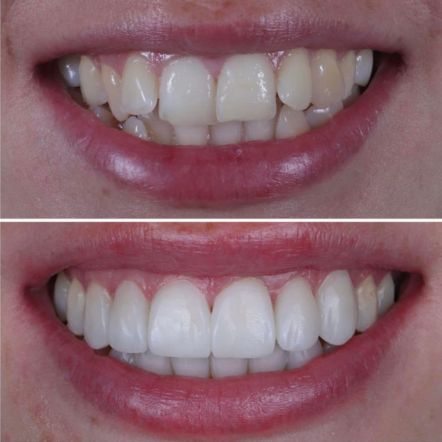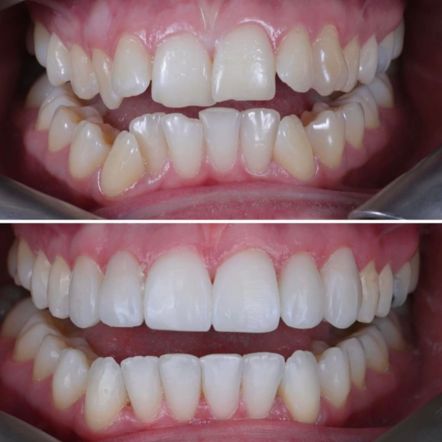




When whitening is prescribed and supervised by a dental professional, it is a safe and effective way to brighten natural teeth. Your dentist will first check that your teeth and gums are healthy enough for whitening

After a thorough oral examination and foundational gum health, precise moulds of your upper and lower teeth are taken, from which slim bleaching trays are made. These trays are then used to deliver the whitening gel to your teeth. Results of home whitening can vary from person to person and depend on the nature and severity of the staining. The average time for noticeable results is 2-3 weeks.
The effects of the home whitening process can last for several months. Still, lifestyle factors, such as smoking, eating and drinking highly coloured foods and liquids, play a significant role in the formation of new stains. However, as the trays have been fabricated to fit your teeth exactly, they can be reused at any time, provided they fit well.
Some sensitivity is normal during the use of either whitening procedure. This can occur due to receding gums, tooth wear, and tiny cracks in the top layer of the teeth (enamel). This sensitivity is transient and generally lasts no longer than a day or two. Specific toothpastes and products are available to help with any low-grade sensitivity experienced.



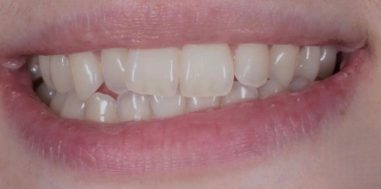
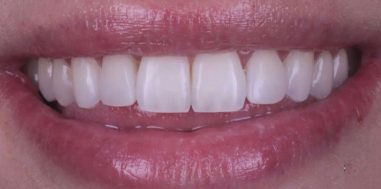
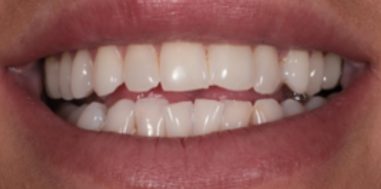
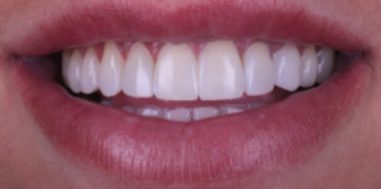
When whitening is prescribed and supervised by a dental professional, it is a safe and effective way to brighten natural teeth. Your dentist will first check that your teeth and gums are healthy enough for whitening
Temporary sensitivity is a common side effect of whitening. The likelihood and severity vary between patients, and your dental team can advise on ways to minimise sensitivity and adjust treatment if needed.
Results vary depending on your starting shade, the cause of discolouration and how your teeth respond to treatment. Your dentist can explain what is realistically achievable for your smile.
No. Whitening changes the colour of natural tooth structure but does not whiten existing crowns, veneers, fillings or composite bonding. If you have restorations, your dentist can advise on the best order of treatment.
Whitening is not permanent. How long the result lasts depends on factors such as diet, smoking, oral hygiene and your individual teeth. Many patients choose occasional top-up whitening.
Your dental team may recommend limiting strongly coloured foods and drinks for a period after whitening, particularly while the teeth are more prone to staining. Tea, coffee, red wine, curry and tobacco can contribute to staining.
The frequency of whitening and top-up treatment should be based on the whitening system used and your dentist’s advice. Whitening too frequently can increase the risk of sensitivity and irritation.
Both are dentist-supervised whitening options, but they use different products and protocols. Enlighten is a premium whitening system designed for a highly predictable result, while 360 is a professional home-whitening system using custom-made trays. Your dentist can recommend the most appropriate option for you.
The number of syringes and timing of top-ups vary according to the whitening system, your starting shade and how you maintain your result. Your practice can provide current pricing and advise when a top-up is appropriate.









 Instagram
Want to stay updated on our latest news, products, and events? Follow us on Instagram. Don't miss out on all the fun and exciting content we have in store for you!
FOLLOW US ON INSTAGRAM